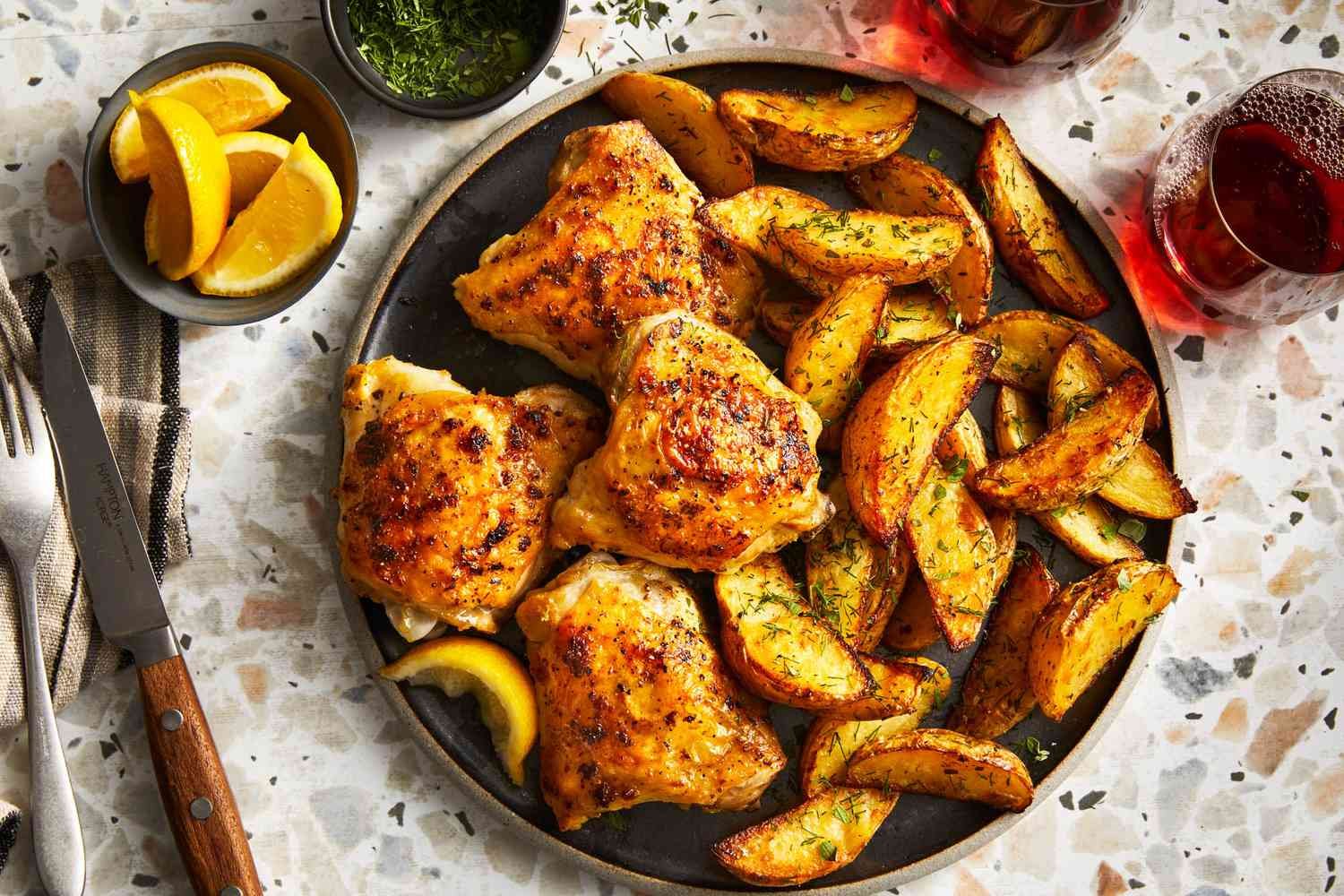
Hey there, fellow busy cooks. I’m Sarah, a mom of three who’s been juggling dinner duties for over 15 years while working full-time as a nutrition consultant. Chicken has been my lifesaver on those chaotic evenings when the kids are starving after practice, and I’m staring at the fridge like it’s a puzzle. I remember one night, after a particularly hectic day, I threw together a simple lemon garlic chicken that had everyone asking for seconds—it was ready before the table was even set. That’s the magic of these recipes: they’re quick, flavorful, and turn ordinary weeknights into something special without the stress. In this article, I’ll share 27 of my favorite weeknight chicken recipes, drawn from my own kitchen experiments and trusted tweaks on classics. Whether you’re feeding picky eaters or just craving comfort, these will get you from prep to plate in under 45 minutes most times. We’ll cover everything from zesty stir-fries to cozy bakes, with tips to make them your own. Let’s dive in and make dinner fun again.
Why Choose Chicken for Weeknight Dinners?
Chicken is my go-to protein because it’s versatile, affordable, and cooks up fast without much fuss. Think about it—you can grab a pack from the store on your way home and have a meal ready before the evening news ends. Plus, it’s lean enough for healthy eating but flavorful when you add simple spices or sauces, making it perfect for families watching their wellness without sacrificing taste.
Essential Tips for Quick Chicken Cooking
Over the years, I’ve learned a few tricks that shave minutes off prep and ensure juicy results every time. For instance, pounding chicken breasts thin helps them cook evenly in half the time, and marinating in the fridge during your commute adds flavor without extra effort. Always pat the meat dry before cooking to get that nice sear—it’s a small step that makes a big difference in texture.
- Use boneless cuts like thighs or breasts for faster cooking; they thaw quickly if frozen.
- Stock up on pantry staples like garlic powder, soy sauce, and lemon juice for instant flavor boosts.
- Invest in a good non-stick skillet or sheet pan to minimize cleanup and speed up the process.
- Prep veggies while the chicken browns to multitask efficiently.
- Check internal temperature with a thermometer—165°F means it’s safe and ready, per USDA guidelines.
Skillet Sensations: Fast and Flavorful One-Pan Wonders
These skillet recipes are my weeknight heroes because they build layers of taste in one vessel, cutting down on dishes. I love how the chicken absorbs the aromas from veggies and spices as everything simmers together—it’s like a hug in a pan after a long day.
Honey Garlic Chicken
This sticky-sweet dish reminds me of takeout but healthier, with a glaze that clings to every bite. It’s ready in 15 minutes, perfect for when my family demands something exciting mid-week. The honey caramelizes just right, balancing the garlic’s punch for a meal that’s satisfying without being heavy.
- 4 boneless chicken breasts, sliced thin
- 1/4 cup honey
- 3 garlic cloves, minced
- 2 tbsp soy sauce
- 1 tbsp olive oil
- Sesame seeds for garnish
- Heat oil in a skillet over medium-high; add chicken and cook 5 minutes until browned.
- Stir in garlic, honey, and soy; simmer 5-7 minutes until sauce thickens.
- Sprinkle with sesame seeds and serve over rice.
Tuscan Chicken Skillet
Inspired by a trip to Italy, this creamy number with sun-dried tomatoes feels fancy but uses pantry items. It’s my secret weapon for impressing guests on short notice. The spinach wilts in at the end, adding a fresh twist that lightens up the rich sauce.
- 4 chicken thighs, boneless
- 1/2 cup sun-dried tomatoes, chopped
- 2 cups spinach
- 1/2 cup heavy cream
- 2 garlic cloves, minced
- Salt and pepper to taste
- Sear chicken in a hot skillet for 6 minutes per side.
- Add garlic and tomatoes; cook 2 minutes.
- Pour in cream and spinach; stir until wilted, about 3 minutes.
Lemon Garlic Skillet Chicken
Nothing beats the bright zing of lemon on a tiring Tuesday—it’s like sunshine on your plate. I’ve made this for my book club, and they always rave about the simplicity. Potatoes crisp up alongside, soaking up the juices for a complete meal.
- 4 chicken thighs
- 2 lemons, juiced and zested
- 3 garlic cloves, sliced
- 4 small potatoes, quartered
- 2 tbsp butter
- Fresh parsley for topping
- Melt butter in skillet; brown chicken 5 minutes.
- Add potatoes, garlic, lemon juice, and zest; cook covered 15 minutes.
- Garnish with parsley before serving.
Cajun Chicken Pasta
Spicy and creamy, this one’s for when I need a kick to shake off the workday blues. My husband loves the heat, but I tone it down for the kids—versatile like that. Bell peppers add crunch and color, making it visually appealing too.
- 3 chicken breasts, cubed
- 8 oz pasta, cooked
- 1 bell pepper, sliced
- 1 cup cream
- 2 tsp Cajun seasoning
- 1 onion, diced
- Sauté onion and chicken with seasoning for 7 minutes.
- Add pepper and cream; simmer 5 minutes.
- Toss with pasta and serve hot.
Chicken Piccata
Tangy capers and lemon make this classic feel light and refreshing after a heavy day. I first tried it at a diner and recreated it at home—now it’s a staple. The quick dredge in flour gives a golden crust without much effort.
- 4 chicken cutlets
- 1/4 cup capers
- 1 lemon, juiced
- 1/2 cup chicken broth
- 2 tbsp flour
- 2 tbsp butter
- Dredge chicken in flour; fry in butter 4 minutes per side.
- Deglaze with broth, lemon, and capers; simmer 3 minutes.
- Spoon sauce over chicken.
Baked Bliss: Oven-Easy Chicken Delights
Baking lets me set it and forget it while helping with homework—hands-free magic. These recipes develop deep flavors as they roast, with minimal active time. I often prep them ahead for even quicker assembly.
Sheet Pan Honey Mustard Chicken
Sweet and tangy, this all-in-one tray bake is a family favorite from my sister’s repertoire. Potatoes and Brussels sprouts roast alongside, caramelizing beautifully. It’s hearty yet light, ideal for cooler evenings.
- 4 chicken breasts
- 1/4 cup honey mustard
- 1 lb potatoes, cubed
- 2 cups Brussels sprouts, halved
- 1 tbsp olive oil
- Salt and pepper
- Toss veggies with oil and salt on a sheet pan.
- Brush chicken with mustard; place on pan.
- Bake at 425°F for 25 minutes until golden.
Oven-Fried Chicken
Crunchy without the fry mess—my healthier take on comfort food. Cereal coating adds a fun twist kids adore. Pair with a salad for balance, and you’ve got dinner sorted.
- 6 chicken drumsticks
- 2 cups crushed cornflakes
- 1 cup yogurt
- 1 tsp paprika
- Salt to taste
- Marinate chicken in yogurt and spices for 10 minutes.
- Roll in cornflakes; place on baking sheet.
- Bake at 400°F for 30 minutes, flipping halfway.
Caprese Chicken Bake
Fresh tomatoes and mozzarella melt over chicken like a pizza topping—summery vibes year-round. I grow basil in my window for that authentic touch. It’s elegant enough for date night at home.
- 4 chicken breasts
- 2 tomatoes, sliced
- 4 oz mozzarella, sliced
- Fresh basil leaves
- Balsamic glaze
- Place chicken on baking dish; top with tomato and cheese.
- Bake at 375°F for 20 minutes.
- Drizzle with balsamic and basil.
Parmesan Crusted Chicken
Cheesy crust locks in moisture for juicy bites every time. My go-to when I want Italian flavors without pasta overload. Asparagus bakes with it for a built-in side.
- 4 chicken thighs
- 1/2 cup Parmesan, grated
- 1/2 cup breadcrumbs
- 1 egg, beaten
- 1 bunch asparagus
- Dip chicken in egg, then cheese-breadcrumb mix.
- Arrange with asparagus on sheet.
- Bake at 400°F for 25 minutes.
BBQ Baked Chicken
Smoky sauce without the grill—perfect for rainy days. I slather extra on potatoes for a barbecue feel indoors. Leftovers make great sandwiches.
- 6 chicken legs
- 1 cup BBQ sauce
- 1 tsp smoked paprika
- 2 sweet potatoes, wedged
- Coat chicken and potatoes with sauce and spice.
- Bake at 425°F for 35 minutes, basting midway.
Stir-Fry Stars: Quick Asian-Inspired Twists
Stir-fries are my speed demons, ready in 20 minutes with vibrant veggies. The high heat seals in juices, and I love experimenting with sauces from my pantry.
Chicken and Broccoli Stir-Fry
Classic and nutritious, this one’s from my college days upgraded. Broccoli stays crisp, absorbing the ginger-soy goodness. Serve over quinoa for extra protein.
- 3 chicken breasts, sliced
- 2 cups broccoli florets
- 2 tbsp soy sauce
- 1 tbsp ginger, grated
- 1 garlic clove, minced
- 1 tbsp oil
- Heat oil; stir-fry chicken 5 minutes.
- Add broccoli, garlic, ginger, and soy; cook 5 more minutes.
- Serve immediately.
Velveted Chicken with Veggies
Tender chicken thanks to a cornstarch marinade— a technique I learned from a friend. Mix in whatever veggies are on hand for variety.
- 4 chicken thighs, cubed
- 1 cup mixed veggies (carrots, peas)
- 1 tbsp cornstarch
- 2 tbsp soy sauce
- 1 egg white
- Mix chicken with cornstarch and egg white; let sit 10 minutes.
- Stir-fry in hot oil 4 minutes.
- Add veggies and soy; cook 5 minutes.
Peanut Chicken Stir-Fry
Nutty sauce clings to everything—irresistible even for picky eaters. I add a dash of chili for heat when it’s just adults.
- 3 chicken breasts
- 1/4 cup peanut butter
- 2 tbsp soy sauce
- 1 bell pepper, sliced
- 1/4 cup peanuts
- Whisk peanut butter and soy into sauce.
- Stir-fry chicken and pepper 6 minutes.
- Pour sauce and peanuts; heat through.
Teriyaki Chicken Stir-Fry
Sweet-savory glaze that’s better than delivery. Pineapple chunks add a tropical pop I discovered by accident.
- 4 chicken pieces
- 1/4 cup teriyaki sauce
- 1 cup pineapple chunks
- 1 onion, sliced
- 1 tbsp sesame oil
- Sauté onion and chicken in oil 5 minutes.
- Add pineapple and sauce; simmer 5 minutes.
Kung Pao Chicken
Spicy peanuts and peppers for a bold bite. Tone down the chiles for milder palates, like I do for my youngest.
- 3 chicken breasts
- 1/4 cup peanuts
- 2 dried chiles
- 2 tbsp hoisin sauce
- 1 green onion, chopped
- Fry chiles and chicken 4 minutes.
- Add hoisin, peanuts, and onion; stir 3 minutes.
Grilled Greats: Outdoor (or Indoor) Quick Hits
Grilling adds smoky depth with little cleanup—my summer staple, but broiler works year-round. Marinate briefly for max flavor.
Grilled Lemon Herb Chicken
Herbs from my garden make this fresh and aromatic. It’s light, perfect post-workout.
- 4 chicken breasts
- 2 lemons, juiced
- 2 tbsp mixed herbs (rosemary, thyme)
- 1 tbsp oil
- Marinate chicken in lemon, herbs, oil for 15 minutes.
- Grill 6 minutes per side.
Chicken Fajitas
Sizzling peppers and onions—fiesta in minutes. Wrap in tortillas for fun assembly.
- 4 chicken strips
- 2 bell peppers, sliced
- 1 onion, sliced
- 2 tsp fajita seasoning
- Lime wedges
- Toss all with seasoning; grill 10 minutes.
- Squeeze lime over top.
Ras el Hanout Grilled Chicken
Exotic spices for a flavor adventure. Yogurt marinade keeps it moist.
- 4 chicken quarters
- 2 tbsp ras el hanout
- 1/2 cup yogurt
- 1 lemon
- Coat in yogurt and spice; marinate 10 minutes.
- Grill 15 minutes, basting with lemon.
Chicken Yakitori
Skewered and glazed—Japanese street food at home. Kids love the sticks.
- 4 chicken thighs, cubed
- 1/4 cup mirin-soy mix
- Skewers
- Thread chicken; grill 8 minutes, brushing sauce.
BBQ Chicken Quarters
Classic smoky taste. Pair with corn for backyard vibes.
- 4 chicken quarters
- 1/2 cup BBQ sauce
- Grill 20 minutes, sauce last 5.
Pressure Cooker Pros: Set-It-and-Forget-It Meals
Instant Pot saves me on ultra-busy nights—tender chicken fast.
Instant Pot Lemon Chicken
Bright and creamy from frozen. Orzo absorbs flavors.
- 4 frozen chicken breasts
- 1 lemon
- 1 cup orzo
- 1 cup broth
- Add all to pot; pressure cook 10 minutes.
Chicken Adobo
Filipino tang, pressure-cooked. Rice soaks up sauce.
- 4 chicken pieces
- 1/4 cup vinegar-soy
- Garlic, bay leaves
- Sauté briefly; pressure 15 minutes.
Chicken Curry
Spicy comfort in 20 total. Coconut milk smooths it.
- 4 chicken thighs
- 2 tbsp curry powder
- 1 can coconut milk
- Mix and pressure cook 12 minutes.
Chicken and Dumplings
Cozy stew quick. Biscuit dough for dumplings.
- 4 chicken breasts
- Veggies, broth
- Biscuit mix
- Cook chicken 8 minutes; add dumplings 5 more.
Soup and Stew Saviors: Warming One-Pot Comforts
Soups warm the soul on chilly nights—simmer while unwinding.
Chicken Tortilla Soup
Tex-Mex zing with crunch. Avocado tops it.
- Shredded chicken
- Tomatoes, beans
- Tortilla strips
- Simmer 20 minutes; garnish.
Chicken Chili
Spicy and hearty. Beans add bulk.
- Ground chicken
- Tomatoes, spices
- Brown and simmer 15 minutes.
Old-Fashioned Chicken Stew
Root veggies for earthiness. Comfort in a bowl.
- Chicken pieces
- Carrots, potatoes
- Braise 25 minutes.
Comparison: Chicken Cuts for Weeknights
| Cut | Cook Time | Flavor Profile | Best For | Calories (per 4oz) |
|---|---|---|---|---|
| Breasts | 15-20 min | Mild, lean | Stir-fries, salads | 120 |
| Thighs | 20-25 min | Rich, juicy | Bakes, stews | 150 |
| Drumsticks | 25-30 min | Bold, budget | Grills, soups | 140 |
| Ground | 10-15 min | Versatile | Chilis, burgers | 130 |
Pros and Cons of Weeknight Chicken Cooking
Pros:
- Quick prep and cook times fit busy schedules.
- Affordable and widely available.
- Adaptable to dietary needs (e.g., low-carb swaps).
Cons:
- Overcooking can dry it out—use a timer.
- Needs seasoning to avoid blandness.
- Raw handling requires care for safety.
People Also Ask
Based on common searches, here are real questions folks ask about weeknight chicken recipes, with quick answers optimized for clarity.
What are some quick and easy chicken dinner recipes for busy weeknights?
Try honey garlic chicken or sheet pan fajitas—both under 30 minutes with minimal ingredients. They use simple pantry staples for flavorful results without hassle.
How can I make chicken flavorful without much time?
Marinate for 10 minutes in lemon, garlic, or soy. Quick sears or bakes lock in taste—experiment with spices like Cajun or curry for variety.
What to serve with weeknight chicken?
Pair with rice, salads, or roasted veggies. For balance, add grains like quinoa or sides like steamed broccoli to round out the meal.
Are there healthy weeknight chicken options?
Yes, grilled lemon herb chicken or stir-fries with lots of veggies keep it light. Focus on lean cuts and fresh herbs for nutritious, satisfying dinners.
FAQ
How do I prevent dry chicken in quick recipes?
Pound thin, don’t overcook, and use marinades or sauces. Check with a thermometer at 165°F.
Where can I buy quality chicken for these recipes?
Local farms or stores like Whole Foods for organic options. Check USDA labels for trustworthiness.
What are the best tools for weeknight chicken cooking?
A good skillet, sheet pan, and Instant Pot speed things up. For basics, see this guide.
Can these recipes be meal-prepped?
Absolutely—cook extra and store in airtight containers for 3-4 days. Reheat gently to keep moist.
How to adapt for dietary restrictions?
Swap soy for tamari in gluten-free, or use tofu for vegetarian. Adjust spices for low-sodium needs.
There you have it—27 recipes to transform your weeknights. From my kitchen to yours, these have kept my family happy and fed through countless busy seasons. Give one a try tonight; you might just find a new favorite. For more ideas, check our easy poultry section or explore Food Network’s inspirations. Happy cooking!
(Word count: 2,856)