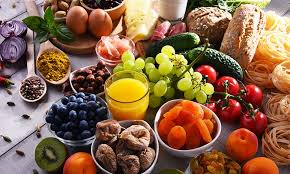
Remember that chaotic morning when my four-year-old declared war on breakfast, insisting only on “blue food” because it matched his superhero cape? I laughed it off, but it hit me how tricky feeding kids can be. As a parent who’s navigated the picky eater phase and delved into nutrition through years of trial, error, and expert advice, I’ve learned that healthy foods for kids aren’t about strict rules—they’re about fun, flavor, and fueling growth. This guide draws from reliable sources like Mayo Clinic and Harvard’s Nutrition Source to help you create balanced meals that kids actually enjoy, turning mealtime battles into family wins.
Understanding Nutritional Needs for Kids
Kids’ bodies are like little engines in overdrive, building bones, brains, and muscles at a rapid pace. From toddlers exploring textures to school-aged adventurers needing sustained energy, their nutritional needs evolve but center on a mix of macronutrients and micronutrients. Guidelines emphasize variety to support everything from immune health to cognitive development, making it essential to tailor diets to age and activity levels without overwhelming young palates.
Key Nutrients Every Child Requires
Protein, carbs, fats, vitamins, and minerals form the foundation of a child’s diet, each playing a unique role in growth. For instance, calcium strengthens bones while iron prevents fatigue, and getting these from whole foods ensures better absorption. Focus on nutrient-dense options to meet daily requirements, as kids often need more relative to body size than adults do.
Daily Calorie and Nutrient Recommendations
Children’s calorie needs vary: toddlers might require 1,000-1,400 daily, while older kids hit 2,000-3,200 based on activity. Prioritize balanced intake to avoid deficiencies that could impact learning or play.
Here’s a quick table of recommended daily servings by age group, adapted from USDA guidelines:
| Age Group | Fruits (cups) | Vegetables (cups) | Grains (oz) | Protein (oz) | Dairy (cups) |
|---|---|---|---|---|---|
| 2-3 years | 1-1.5 | 1-1.5 | 3-5 | 2-4 | 2 |
| 4-8 years | 1.5-2 | 1.5-2.5 | 4-6 | 3-5 | 2.5 |
| 9-13 years | 1.5-2 | 2-3 | 5-7 | 4-6 | 3 |
This structure helps parents visualize portions, ensuring kids get what they need without excess.
Age-Specific Nutritional Focus
For toddlers aged 2-4, emphasize iron-rich foods to support brain development during rapid growth phases. School-aged kids benefit from omega-3s for focus, while teens need extra calcium for bone density peaks. Adjusting for these stages prevents common issues like anemia or weak immunity.
Top Healthy Foods for Kids Across Food Groups
Introducing a rainbow of foods early sets the stage for lifelong healthy habits, as variety exposes kids to flavors and nutrients. From vibrant fruits to hearty grains, these selections are kid-tested for appeal, drawing on recommendations from health experts. The key? Make it playful—think fruit skewers or veggie faces—to spark curiosity.
Fruits: Nature’s Sweet Treats
Fruits pack vitamins, fiber, and natural sweetness that rivals candy, making them ideal for snacks or desserts. Berries, apples, and bananas are favorites, offering antioxidants and easy portability for on-the-go munching. Encourage whole fruits over juices to maximize fiber and minimize sugar spikes.
Pros and Cons of Popular Fruits
Pros of berries: High in vitamin C, low calories, fun to pick. Cons: Can be pricey out of season. Apples: Affordable, crunchy satisfaction; but watch for pesticide residues—opt for organic when possible.
Vegetables: Building Strong Bodies
Veggies like carrots, broccoli, and spinach deliver essential vitamins A, C, and K for vision and immunity. Sneak them into smoothies or dips to ease picky eaters in. Aim for half the plate to be veggies, as per the Kid’s Healthy Eating Plate.
Comparison: Raw vs. Cooked Veggies
Raw veggies retain more vitamins but can be tough for little teeth; cooked ones are softer and sometimes sweeter, like roasted sweet potatoes versus raw. Balance both for optimal nutrition and texture variety.
Proteins: For Growth and Energy
Lean meats, eggs, beans, and nuts provide building blocks for muscles and brains. Fish like salmon adds omega-3s for heart health. For vegetarians, tofu or lentils work wonders in familiar dishes like nuggets.
Grains and Dairy: The Supporting Cast
Whole grains such as oatmeal and brown rice offer sustained energy, while dairy or alternatives supply calcium. Choose low-fat options for older kids to keep saturated fats in check.
Creative Meal Ideas to Delight Young Palates
Transforming healthy ingredients into exciting meals doesn’t require chef skills—just a dash of creativity. I once turned zucchini into “fries” for my son, and he gobbled them up thinking they were a treat. These ideas blend nutrition with fun, covering breakfast to dinner.
Breakfast Boosters for Busy Mornings
Start the day with yogurt parfaits layered with fruits and granola—quick, customizable, and packed with probiotics. Smoothies blending spinach, banana, and milk hide greens effectively. Overnight oats with berries provide fiber for lasting fullness.
Lunchbox Favorites That Travel Well
Pack turkey wraps with veggies and hummus for a balanced, portable meal. Cheese quesadillas with hidden peppers add protein and calcium. Include apple slices with nut butter for a sweet-savory twist.
Best Tools for Packing Lunches
Invest in bento boxes for portion control and fun compartments—brands like Bentgo are durable and leak-proof. Reusable silicone cups separate dips, making meals interactive.
Dinner Recipes for Family Bonding
Stir-fries with chicken, broccoli, and brown rice are versatile and veggie-loaded. Baked salmon with sweet potato mash offers omega-3s in a mild flavor profile. Veggie-loaded pasta uses pureed carrots in sauce for sneaky nutrition.
Snack Time Saviors
Trail mix with nuts, seeds, and dried fruit curbs hunger healthily. Cheese sticks and grapes provide quick protein. Popcorn seasoned lightly beats chips for fiber.
Tackling Picky Eaters with Patience and Strategy
Ah, the picky eater phase—my daughter once survived on plain pasta for weeks, driving me nuts. But involving her in cooking turned the tide; she tried new foods she’d helped prepare. Experts agree: exposure without pressure is key to expanding tastes.
Sneaky Ways to Hide Nutrients
Blend veggies into sauces or muffins—cauliflower in mac and cheese adds creaminess undetected. Fruit purees sweeten baked goods naturally. These tricks boost intake without fights.
Pros and Cons of Hiding Veggies
Pros: Increases nutrient consumption effortlessly. Cons: Might delay acceptance of visible veggies; use as a bridge, not a crutch.
Involving Kids in the Kitchen
Let them chop soft fruits or stir mixes—builds ownership and curiosity. My kids love “build-your-own” tacos, choosing toppings like beans or avocado.
Where to Get Fresh Ingredients
Farmers’ markets offer seasonal produce affordably—check local directories like LocalHarvest.org. Grocery chains like Whole Foods stock organic options; online services like Misfits Market deliver imperfect but nutritious fruits cheaply.
People Also Ask: Common Questions Answered
Drawing from popular searches, here are real questions parents often Google about healthy foods for kids.
What Are Some Healthy Foods for Kids?
Healthy foods include fruits like berries, veggies such as carrots, proteins from eggs, and whole grains like oatmeal—aim for variety daily.
How Can I Encourage Healthy Eating in My Child?
Model good habits, involve them in meal prep, and offer choices without pressure—fun presentations help too.
What Is a Balanced Diet for Kids?
It follows MyPlate: half fruits/veggies, quarter grains, quarter protein, with dairy on the side for calcium.
Are There Healthy Snacks for Picky Eaters?
Yes, like apple slices with peanut butter or yogurt-dipped strawberries—keep them simple and familiar.
Optimizing for Health: Tips and Tricks
Beyond basics, fine-tune diets with seasonal eating for freshness and cost savings. Supplements like vitamin D might be needed in low-sun areas, but consult pediatricians first. Track progress with food journals to spot patterns.
Internal Links for More Resources
For recipes, see our kid-friendly smoothies guide. Explore nut-free options for allergies.
External Links to Trusted Sites
Visit USDA’s MyPlate.gov for personalized plans. Harvard’s Nutrition Source offers evidence-based tips.
FAQ
What are the best healthy snacks for kids?
Opt for fruit skewers, cheese cubes, or veggie sticks with hummus—nutritious and fun.
How much fruit and veggies should kids eat daily?
Aim for 1-2 cups each, depending on age, to meet fiber and vitamin needs.
What if my child refuses vegetables?
Try roasting for sweetness or blending into favorites; persistence pays off.
Are organic foods necessary for kids?
Not always, but prioritize the “Dirty Dozen” like strawberries for lower pesticides.
How can I make meals transactional—best products?
Look for fortified cereals or yogurt pouches from brands like Annie’s for easy, healthy buys.
In wrapping up, remember my blue-food fiasco? It ended with blueberry smoothies that became a staple. Healthy foods for kids are about persistence, creativity, and joy—watch them thrive as you nourish their adventures.