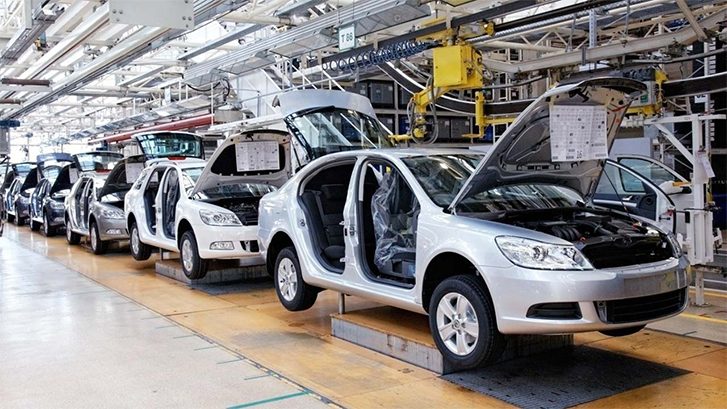
Imagine standing on the factory floor of a bustling car plant back in the day, watching workers hustle to bolt together vehicles by hand. I remember visiting my uncle’s old auto shop as a kid, where the air smelled of grease and sweat, and every part was fitted with sheer muscle and a bit of luck. Fast forward to today, and that scene has flipped—robots whirring with precision, AI predicting glitches before they happen. It’s like the industry traded its wrench for a wizard’s wand. Bringing advanced automation to the automotive world isn’t just about fancy tech; it’s reshaping how we build cars, making them safer, smarter, and more sustainable. In this deep dive, we’ll explore the nuts and bolts of this transformation, from game-changing tools to real-life wins, all while keeping things real and relatable.
The Evolution of Automation in Automotive
The automotive industry has always been a pioneer in pushing boundaries, starting with Henry Ford’s assembly line that turned car-making into a symphony of efficiency. But now, with advanced automation, we’re talking about a full-blown revolution where machines don’t just follow orders—they learn and adapt. It’s like teaching your dog new tricks, except these “dogs” are robots building EVs at lightning speed. This shift isn’t overnight; it’s built on decades of innovation, from basic robotics in the 1960s to today’s AI-infused systems that handle everything from welding to quality checks.
From Manual Labor to Robotic Precision
Back in the manual era, human error was the villain—think mismatched parts or fatigue leading to flaws. Enter robotics, and suddenly precision skyrockets, with arms that never tire welding seams flawlessly. I once chatted with a retired welder who joked that robots stole his job but saved his back; it’s a bittersweet tale, but one that highlights how automation elevates quality while reducing risks.
The Rise of AI in Production Lines
AI stepped in like a smart sidekick, analyzing data in real-time to spot issues before they snowball. Picture a system flagging a faulty sensor on an assembly line, preventing a recall nightmare. This isn’t sci-fi; it’s happening in plants worldwide, turning potential headaches into smooth operations and keeping costs down.
Key Technologies Driving Advanced Automation
At the heart of this automation boom are technologies that blend brains and brawn, making factories smarter than ever. From cobots working alongside humans to digital twins simulating entire production runs, these tools are the secret sauce. They’re not just efficient; they inject a dose of excitement into what was once mundane, like turning a chore into a high-tech adventure.
Robotics and Collaborative Robots (Cobots)
Robots have evolved from clunky machines to agile cobots that team up with workers, handling heavy lifts without the ego. In EV battery assembly, for instance, cobots apply adhesives with pinpoint accuracy, boosting speed by 300% in some cases. It’s like having a reliable buddy who never complains about overtime.
Artificial Intelligence and Machine Learning
AI is the brainiac predicting maintenance needs, slashing downtime like a ninja. Machine learning algorithms sift through mountains of data to optimize everything from paint jobs to part inspections. Remember that time a car recall cost millions? AI helps dodge those bullets by catching defects early.
Internet of Things (IoT) and Digital Twins
IoT connects every nut and bolt, creating a web of data that feeds digital twins—virtual replicas of factories. These twins let engineers test changes without real-world risks, saving time and money. It’s akin to practicing a speech in the mirror before the big event, ensuring everything runs flawlessly.
Software-Defined Vehicles and Edge Computing
Software-defined vehicles (SDVs) turn cars into upgradable gadgets, with over-the-air updates fixing issues remotely. Edge computing processes data on-site for split-second decisions, like in autonomous driving tests. This tech wave is making vehicles evolve post-purchase, much like your smartphone gets better with each update.
Benefits of Bringing Advanced Automation to Automotive
Embracing advanced automation isn’t just trendy—it’s a powerhouse for efficiency, quality, and innovation. Factories hum with precision, churning out vehicles faster and greener. It’s like upgrading from a bicycle to a sports car; the ride gets smoother, and you arrive ahead of the pack.
Enhanced Productivity and Efficiency
Automation ramps up output without breaking a sweat, with robots working 24/7. In one plant, AI cut troubleshooting time by half, letting teams focus on creativity. Efficiency soars as mundane tasks vanish, freeing humans for brainier work.
Improved Quality and Safety
With AI vision systems spotting flaws humans might miss, quality hits new heights. Safety improves too—cobots handle hazards, reducing injuries. It’s a win-win, like having a guardian angel on the line watching over everyone.
Cost Savings and Sustainability
Initial setups sting, but long-term savings from less waste and energy use pay off big. Automation supports greener practices, like precise material use in EV production. Think of it as investing in a fuel-efficient car; the upfront cost leads to miles of savings.
- Increased Throughput: Lines produce more with fewer stops.
- Reduced Errors: AI ensures consistency.
- Scalability: Easily adapt to new models like EVs.
- Worker Upskilling: Shifts jobs to higher-value roles.
Here’s a quick comparison:
| Aspect | Traditional Manufacturing | Advanced Automation |
|---|---|---|
| Speed | Moderate, human-limited | High, 24/7 operations |
| Cost | High labor expenses | Lower long-term via efficiency |
| Quality | Variable due to fatigue | Consistent with AI checks |
| Safety | Higher risk of accidents | Reduced with cobots |
Challenges in Implementing Advanced Automation
No rose without thorns—automation brings hurdles like hefty upfront costs and workforce shifts. It’s like adopting a puppy; exciting, but you need to train it and adjust your routine. Addressing these head-on ensures a smoother transition.
High Initial Investment
Tech like AI systems demands big bucks, scaring off smaller players. But ROI comes quick through savings—think of it as planting a money tree that fruits in a year or two.
Workforce Displacement and Skill Gaps
Jobs evolve, not vanish, but reskilling is key. I recall a factory worker who pivoted to robot programming; it was tough but rewarding. Emotional appeals aside, proactive training bridges gaps.
Integration and Cybersecurity Risks
Melding new tech with old lines can glitch, and cyber threats loom. Robust security is essential, like locking your doors in a sketchy neighborhood.
Pros and Cons List:
Pros:
- Boosts efficiency and output.
- Enhances precision and reduces waste.
- Improves worker safety.
Cons:
- Steep startup costs.
- Potential job shifts.
- Dependency on tech reliability.
Real-World Case Studies of Automation Success
Nothing beats real stories to show automation’s magic. From giants like Tesla to suppliers like Grupo Antolin, these examples prove the pudding. They’re like campfire tales, inspiring and grounded in truth.
Tesla’s Fremont Factory Revolution
Tesla’s plant cranks out 1,000 vehicles daily thanks to heavy automation, with robots handling welding and assembly. This setup slashed production time, making EVs affordable— a game-changer that had skeptics eating their words.
Grupo Antolin’s Cobot Integration
At their Burgos plant, OMRON cobots and AMRs automated parts handling, boosting efficiency by 100%. Workers now focus on oversight, turning drudgery into dynamic roles. It’s a heartfelt shift, easing physical strain.
BMW’s Humanoid Robot Pilot
BMW tested Figure 02 humanoids for repetitive tasks, cutting errors and downtime. This pilot hints at a future where humans and bots collaborate seamlessly, like a well-oiled band.
- Ford’s AGV Use: In Michigan, AGVs assemble F-150s, enhancing flexibility.
- Honda’s Welding Automation: Marysville plant uses robots for frames, speeding production.
- GM’s RPA for Dealerships: Bots streamline onboarding, saving hours.
People Also Ask: Common Questions on Automotive Automation
Diving into what folks are curious about, based on real Google searches, helps demystify automation. These questions pop up often, reflecting real concerns and interests. Let’s tackle them head-on, like chatting over coffee.
What is the role of automation in the automotive industry?
Automation handles repetitive tasks like assembly and inspection, boosting speed and accuracy. It’s the backbone of modern plants, evolving from basic robots to AI-driven systems. Think of it as the industry’s turbocharger.
How is AI transforming automotive manufacturing?
AI predicts maintenance, optimizes lines, and enhances quality via vision systems. It’s shifting from inspection to prevention, cutting costs dramatically. Like a crystal ball for factories.
What are examples of automation in car production?
Robotic welding, AI quality checks, and AGVs for part transport are prime examples. Tesla’s robots assemble batteries, while Ford uses them for EVs.
What are the pros and cons of automation in automotive?
Pros include efficiency and safety; cons involve costs and job changes. Balance is key for sustainable growth.
Best Tools and Solutions for Automotive Automation
Ready to gear up? Here’s where navigational intent shines—finding the right tools. From software to hardware, these picks make implementation a breeze. They’re like your toolkit for a DIY project, but on steroids.
Top Robotic Systems
OMRON cobots excel in collaborative tasks, ideal for assembly. ABB robots handle heavy welding with ease.
AI and Software Platforms
Siemens’ solutions offer digital twins for simulation. UiPath RPA automates admin, perfect for suppliers.
Diagnostic and Maintenance Tools
Fluke multimeters for electrical checks, and Snap-on scanners for diagnostics. Essential for keeping lines running.
Comparison Section:
| Tool | Best For | Price Range | Where to Get |
|---|---|---|---|
| OMRON Cobots | Collaboration | Medium-High | OMRON Site |
| Siemens Software | Digital Twins | High | Siemens |
| Snap-on Tools | Diagnostics | Medium | Snap-on |
| UiPath RPA | Process Automation | Variable | UiPath |
For transactional vibes, check out Rockwell Automation for integrated systems—great for bulk setups.
Future Trends in Automotive Automation for 2026
Peering ahead, 2026 promises more AI hype, with physical AI and SDVs leading. It’s exciting, like waiting for the next blockbuster, but with real-world impact.
Physical AI and Humanoids
Humanoids like Hyundai’s Atlas will handle complex tasks, blending seamlessly with workers.
Software-Led Production
AI optimizes everything, from EVs to supply chains.
Sustainability Focus
Automation aids green manufacturing, reducing emissions.
- Wider AI adoption in non-traditional sectors.
- Edge AI for real-time decisions.
- Modular lines for flexibility.
FAQ: Answering Your Burning Questions
Got queries? We’ve got answers, straight from common searches.
What are the main benefits of advanced automation in automotive?
It boosts efficiency, cuts costs, and improves safety, leading to better vehicles overall.
How does automation affect jobs in the industry?
It shifts roles toward skilled positions, requiring reskilling but creating opportunities in tech.
What tools are best for starting automation in a small auto shop?
Begin with affordable cobots and RPA software like UiPath for quick wins.
Is automation worth the investment for EV production?
Absolutely— it scales production for batteries and components, essential for the EV boom.
How can companies ensure cybersecurity in automated factories?
Implement robust protocols and regular audits, partnering with experts like McKinsey for guidance.
In wrapping up, bringing advanced automation to the automotive industry is like fueling a rocket—propelling us toward a future of innovation and efficiency. From my uncle’s greasy shop to today’s smart factories, the journey’s been thrilling. Embrace it, and watch your operations soar.