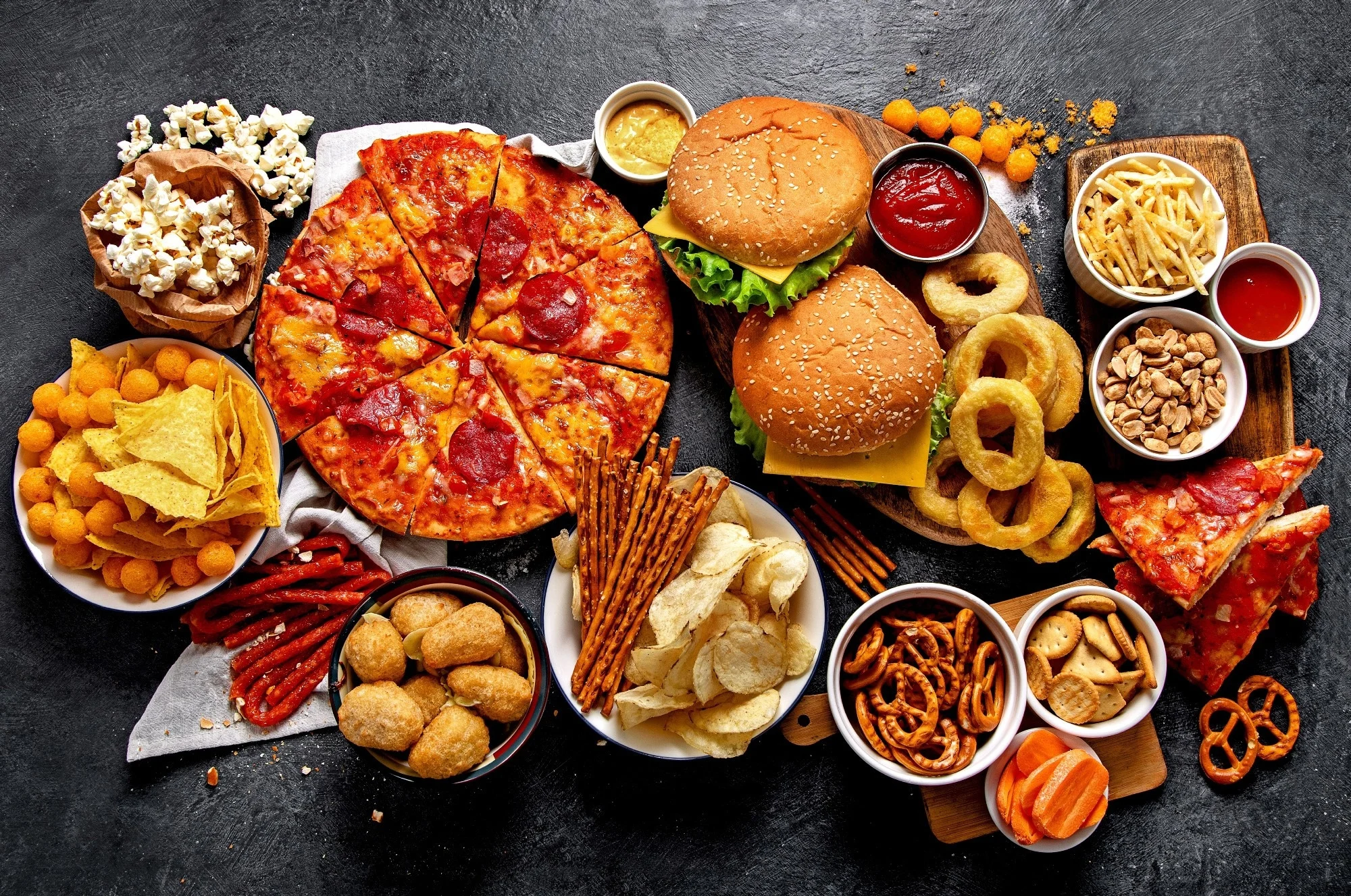
I remember the day I decided to overhaul my eating habits like it was yesterday. It was after a family reunion where I indulged in way too many greasy snacks and sugary desserts, leaving me feeling sluggish for days. That’s when I started thinking about food not just as fuel, but as categories that could guide my choices—everyday staples for consistent energy, occasional treats to keep life fun, and rare indulgences to avoid regrets. This approach transformed how I shop, cook, and feel, and it’s backed by solid nutrition advice from places like the World Health Organization and Harvard Health.
Understanding Food Categories
Categorizing foods into everyday, occasional, and rare helps create a balanced diet without feeling restricted. Everyday foods are nutrient-dense powerhouses you can rely on daily for vitamins, fiber, and sustained energy. Occasional ones add variety and pleasure but in moderation to prevent overdoing calories or sugars. Rare foods, often processed or high in unhealthy fats, are best saved for special moments to protect long-term health.
Everyday Foods: The Foundation of Health
These are the heroes of your plate, packed with essentials that keep your body running smoothly. Think of them as your daily companions—affordable, versatile, and always ready to support you. From boosting immunity to maintaining steady blood sugar, they form the bulk of a healthy eating pattern.
Fruits and Vegetables
Load up on these colorful gems every day for antioxidants and fiber that aid digestion and fight inflammation. Aim for at least five portions, mixing fresh, frozen, or canned options without added sugars. They’re low in calories but high in satisfaction, making them perfect for snacks or sides.
- Apples: Crunchy and portable, great for on-the-go munching.
- Berries: Blueberries or strawberries for a vitamin C boost.
- Leafy greens: Spinach or kale in salads or smoothies.
- Broccoli: A cruciferous veggie that supports detoxification.
- Carrots: Affordable and versatile in soups or raw dips.
Whole Grains
Swap refined carbs for these fiber-rich options to stay full longer and support heart health. They’re everyday essentials like brown rice or oats that provide steady energy without spikes. Incorporate them into breakfast or dinners for a simple upgrade.
- Oats: Start your day with porridge for sustained fuel.
- Quinoa: A protein-packed grain for salads or pilafs.
- Whole wheat bread: For sandwiches that don’t crash your energy.
- Barley: Add to soups for a hearty, nutritious twist.
- Brown rice: A staple side that’s easy to batch-cook.
Lean Proteins
These build and repair tissues while keeping you satiated. Choose plant-based or animal sources daily for a mix of amino acids and iron. They’re key for muscle maintenance, especially as you age.
- Eggs: Versatile for breakfast or hard-boiled snacks.
- Beans and lentils: Cheap, plant-powered protein in chilis.
- Chicken breast: Lean and quick to grill or bake.
- Fish like salmon: Omega-3s for brain and heart benefits.
- Tofu: A soy option for stir-fries or scrambles.
Healthy Fats
Don’t fear fats—the right ones are daily must-haves for absorbing vitamins and hormone balance. Sources like avocados or nuts add creaminess without excess calories. Use them in moderation for flavor and health.
- Avocados: Smash on toast for a creamy breakfast.
- Nuts: Almonds or walnuts for a handful snack.
- Olive oil: Drizzle on veggies for roasting.
- Seeds: Chia or flax in yogurt for omega-3s.
- Fatty fish: Sardines occasionally for variety.
Dairy or Alternatives
For calcium and probiotics, include low-fat options daily to support bone health and gut flora. Fortified plant milks work if dairy isn’t your thing. They’re great in smoothies or cereals.
- Greek yogurt: Plain and protein-rich for parfaits.
- Milk: Low-fat for coffee or overnight oats.
- Cheese: Cottage for a quick, filling snack.
- Almond milk: Unsweetened for cereal or lattes.
- Kefir: A fermented drink for probiotic punch.
Occasional Foods: Treats in Moderation
Life’s too short not to enjoy these now and then—they add excitement without derailing your goals. Think once or twice a week, in small portions, to satisfy cravings. They’re like that fun friend you see sporadically; too much, and things get out of hand.
Dark Chocolate
A square or two a few times a week offers antioxidants and a mood lift without overload. Choose 70% cocoa or higher to minimize sugar. It’s a guilt-free way to end a meal.
Full-Fat Dairy Treats
Indulge in ice cream or cheese occasionally for calcium, but watch portions to avoid saturated fats. They’re perfect for celebrations or movie nights. Balance with lighter days.
- Frozen yogurt: A lighter alternative to ice cream.
- Aged cheeses: Pair with fruit for a sophisticated snack.
- Whipped cream: Top fresh berries sparingly.
- Butter: On whole-grain toast for a rare breakfast upgrade.
- Cream-based sauces: In pasta dishes once a month.
Baked Goods
Home-baked muffins or cookies made with whole ingredients can be occasional delights. Use less sugar and add nuts for nutrition. They’re ideal for sharing with friends.
Alcohol
A glass of wine or beer weekly can fit into social occasions, offering relaxation. Stick to limits to avoid empty calories. Hydrate well to counter effects.
- Red wine: For antioxidants in moderation.
- Craft beer: Sample new ones infrequently.
- Cocktails: Fruit-based for a fun twist.
- Spirits: Mixed with soda water.
- Cider: A seasonal treat in fall.
Sweetened Beverages
Flavored waters or occasional sodas add fizz without daily habit. Dilute with sparkling water for less sugar. They’re better than daily juice overloads.
Rare Foods: Limit for Better Health
These are the villains in disguise—tasty but tricky, best kept to once a month or less. They’re high in empty calories, leading to weight gain or health issues if overdone. Treat them like rare luxuries.
Processed Meats
Bacon or sausages are sodium bombs that increase heart risks. Save for special brunches. Opt for fresh alternatives most days.
- Deli meats: In sandwiches very sparingly.
- Hot dogs: At barbecues only.
- Pepperoni: On pizza nights infrequently.
- Ham: Holiday meals.
- Salami: Charcuterie boards occasionally.
Fried Foods
Chips or french fries pack trans fats and calories. Enjoy at events, not routinely. Bake at home for a healthier spin.
- Onion rings: As a side rarely.
- Fried chicken: Takeout treat.
- Doughnuts: Morning indulgence once in a blue moon.
- Tempura: Sushi add-on sparingly.
- Mozzarella sticks: Party appetizer.
Sugary Snacks
Candy or pastries spike blood sugar and offer little nutrition. Reserve for holidays. Fresh fruit curbs cravings better.
- Gummy candies: Movie theater only.
- Chocolate bars: Fun-size portions.
- Pastries: Bakery visits.
- Cookies: Store-bought packs.
- Cake: Birthdays.
Fast Food
Burgers or tacos are convenient but loaded with fats. Limit to travel days. Home-cooked versions are superior.
Highly Processed Foods
Frozen pizzas or ready meals hide additives. Use in emergencies. Fresh prep wins for health.
Benefits of Categorizing Foods This Way
This system promotes mindfulness, helping you build habits that last. It reduces decision fatigue by clarifying choices. Over time, you’ll notice more energy and better mood, as I did after ditching daily junk.
Pros and Cons of Everyday Foods
Pros: Nutrient-packed, affordable, versatile. Cons: Prep time needed, potential monotony without variety.
Pros and Cons of Occasional Foods
Pros: Adds joy, prevents burnout. Cons: Can tempt overindulgence if not portioned.
Pros and Cons of Rare Foods
Pros: Social fun, nostalgia. Cons: Health risks like high cholesterol if frequent.
Comparison of Food Categories
| Category | Examples | Frequency | Key Nutrients | Potential Drawbacks |
|---|---|---|---|---|
| Everyday | Fruits, veggies, whole grains | Daily | Fiber, vitamins, protein | None major if varied |
| Occasional | Dark chocolate, wine | 1-2x/week | Antioxidants, moderate fats | Added sugars/fats |
| Rare | Fried foods, candy | <1x/month | Minimal | High calories, trans fats |
How to Incorporate These Into Your Diet
Start small: Swap one rare food for an everyday alternative weekly. Meal prep veggies and grains for easy access. For transactional intent, check local markets for fresh produce or online tools like MyPlate for plans.
Where to Get Everyday Foods
Farmers’ markets offer seasonal fruits affordably. Grocery stores like Whole Foods stock organic options. Online, Amazon Fresh delivers staples.
Best Tools for Tracking
Apps like MyFitnessPal categorize foods easily. Kitchen scales ensure portions. Books like “How Not to Die” provide recipes.
Informational: What is a Balanced Plate?
Half veggies/fruits, quarter protein, quarter grains—per Harvard’s Healthy Eating Plate.
People Also Ask
What are the main food groups in a balanced diet?
The five groups are fruits, vegetables, grains, proteins, and dairy—eat from each daily for completeness.
How often should I eat treats?
Occasional treats 1-2 times weekly keep things enjoyable without excess.
What foods to avoid for health?
Limit processed meats, sugary drinks, and fried items to rare occasions.
Can occasional foods be healthy?
Yes, like dark chocolate for antioxidants, but moderation is key.
Why categorize foods?
It simplifies choices, ensuring nutrient balance and preventing overindulgence.
FAQ
What makes a food “everyday”?
Everyday foods are nutrient-dense, low in added sugars/fats, like veggies and grains—ideal for daily consumption without guilt.
How do I transition to fewer rare foods?
Gradually replace them with everyday swaps, like baked fries instead of fried. Track progress with a journal for motivation.
Are there exceptions for occasional foods?
If you have conditions like diabetes, consult a doctor—some treats might need further limits.
Where can I find recipes using these categories?
Sites like EatingWell or internal links to meal plans offer ideas. Try a berry smoothie for everyday bliss.
Is this approach suitable for kids?
Absolutely—teach them categories early for lifelong habits, adjusting portions for growing bodies.
In wrapping up, categorizing foods has been a game-changer for me, turning chaotic eating into intentional nourishment. You’ll likely feel more vibrant, too. For more, explore WHO’s healthy diet factsheet external link or our internal guide on balanced meals. Remember, it’s about progress, not perfection—enjoy the journey!